
Reviews 6 min read
DS No.8 review: French flair meets long-range electric luxury
A bold EV that blends French luxury with long-distance usability, but is that enough to tempt buyers away from the German rivals?
Discover EV expert verdict...


3.5 / 5
- Standout design and aero efficiency
- Refined, comfortable drive
- Impressive real-world range
- Rear space could be better
- Switchgear cheapens feel
- Not the most engaging to drive
Overview
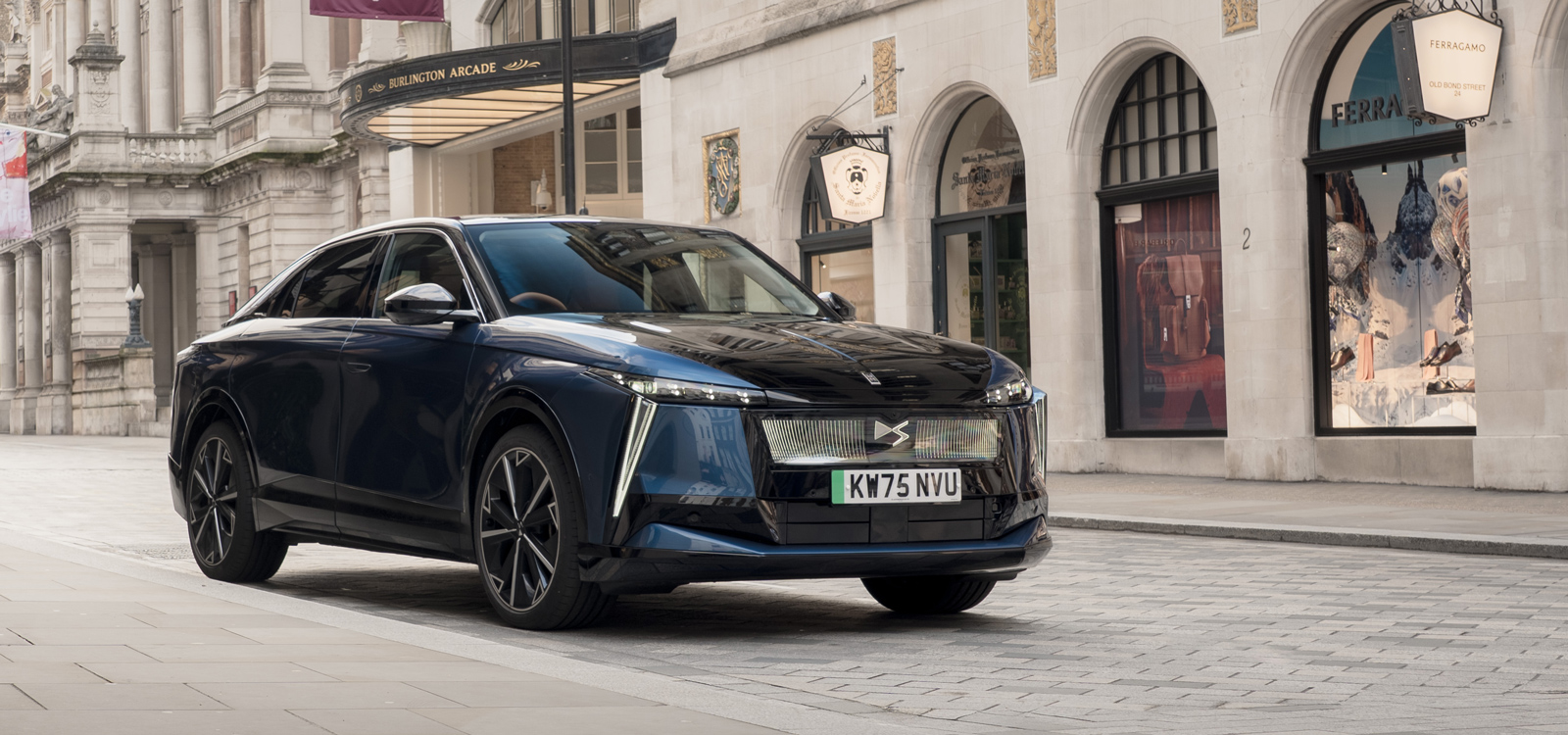
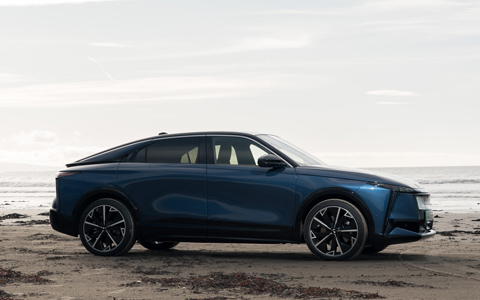
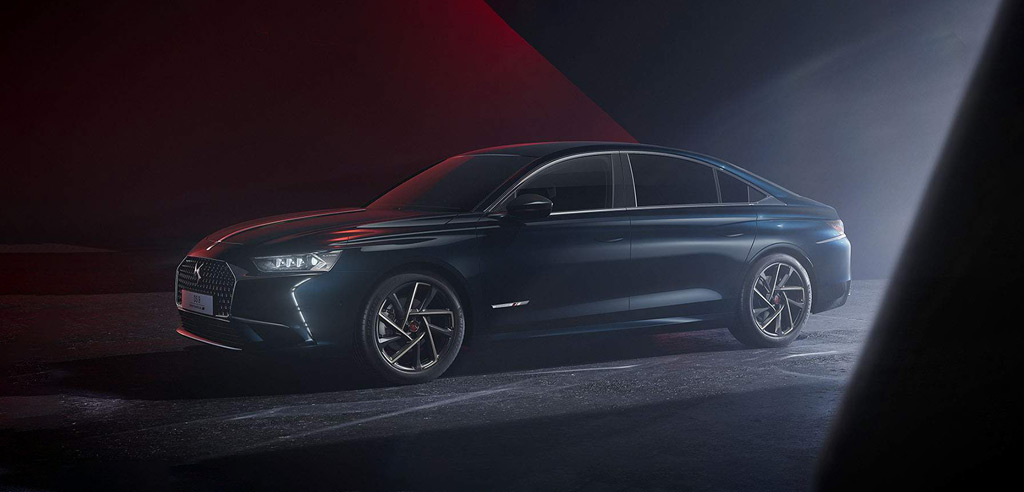
“What the hell is this?” was genuinely my first reaction. The DS No.8 doesn’t neatly fit into any one category, blending SUV ride height with a saloon-like profile and a fastback-style rear. It’s a deliberately unconventional approach is one that reflects DS Automobiles’ push to position itself as a more luxurious, distinctly “Parisian” brand.
Even the name plays into that ambition. DS has moved away from its more conventional naming structure and introduced this new “No.” format (short for le numéro) to give its cars a more premium, fashion-house feel. Clearly inspired by names like Chanel No.5 that carry a sense of exclusivity and heritage. The concept is simple, the bigger the number, the larger and more upmarket the car.
Beneath the surface, the No.8 shares Stellantis underpinnings with models like the Peugeot E-3008, but DS has gone to considerable lengths to differentiate it. The wheelbase is longer, the roofline lower and the overall shape more focused on aerodynamic efficiency.

Driving
The DS No.8 is not a car that encourages you to drive quickly, and that’s entirely intentional. Instead, it excels at delivering a calm, composed and thoroughly relaxing experience behind the wheel. The predictive suspension system uses cameras and sensors to read the road ahead, and does an impressive job of smoothing out potholes and imperfections. There’s a reassuring sense of composure, with body movements kept neatly in check.
Steering is light but accurate enough to inspire confidence, while the accelerator response is smooth. Refinement is also a clear highlight, with extensive soundproofing and laminated glass, the cabin remains impressively quiet. Regenerative braking is also well judged, offering smooth and predictable deceleration that fits perfectly with the car’s comfort-first approach.
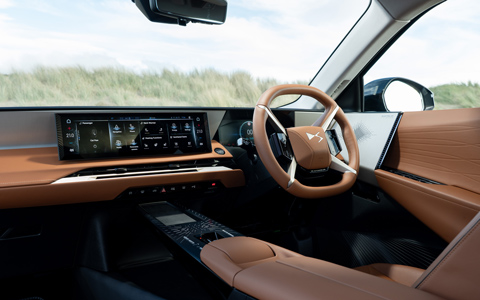
It is also worth mentioning the X-shaped steering wheel, which feels quite awkward and disorientating at first. When cornering I found myself becoming momentarily unsure of it's orientation and where my hands should be. You do begin to adapt over time, but it remains an unnecessary quirk in an otherwise intuitive driving experience.

Range and running costs
The DS No.8 has two battery options, both geared towards maximising usability over long distances. The entry-level version uses a 73.7kWh battery with an official range of up to 326 miles, while the larger 97.2kWh battery in the long-range all-wheel-drive model delivers a headline figure of up to 466 miles. In real-world conditions, those figures translate to roughly 260 to 290 miles for the smaller battery and around 380 to 420 miles for the larger one, depending on driving style and conditions. Either way, the long-range version stands out as a very capable option in its class.
A full charge using an 11kW home wallbox takes approximately eight to ten hours, while a rapid charge from 10 to 80 per cent can be completed in around 30 minutes. The maximum charging speed is 160kW, which may appear modest compared to some rivals, but DS has focused on maintaining strong charging performance over a longer period rather than chasing peak figures. This approach allows the car to add around 125 miles of range in just 10 minutes under the right conditions, and more importantly, to sustain higher charging speeds throughout a session.

Design
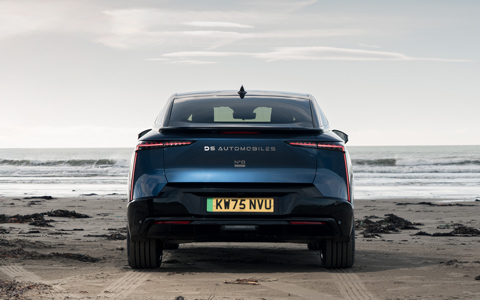
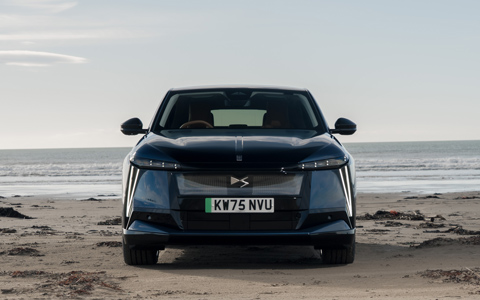
The DS No.8 makes a striking visual impression and, unlike many rivals, its design isn’t just for show. The sharply defined front end, intricate lighting signatures and long, tapering silhouette give it real presence, but every surface has been carefully shaped with efficiency in mind. Elements such as active air intakes, flush door handles, aero-optimised wheels and a sculpted roofline all work together to manage airflow as cleanly as possible.
The result is a drag coefficient of just 0.24, placing it among the most aerodynamic cars in its class. DS claims that this focus on aerodynamics alone can deliver up to 46 miles of additional motorway range, which is a significant gain and highlights just how crucial airflow management has become in the EV era.
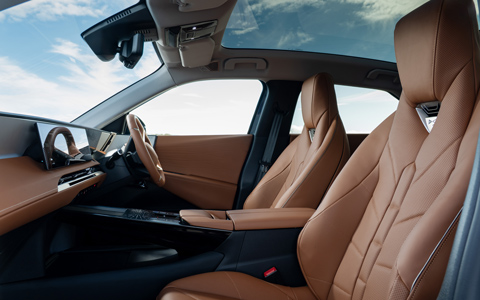
Inside, the cabin reflects DS’s interpretation of the “French art of travel”, with a clear emphasis on craftsmanship and comfort. There’s plenty of visual details, from the “Clous de Paris” embossed on the steering wheel and air vents to the intricate pearl stitching across the dashboard and armrests. High-quality materials are found everywhere, including Nappa leather with a distinctive watch strap design and, in some configurations Alcantara is used, giving the interior a genuinely upmarket feel.
It’s unmistakably a DS, too, with the brand’s signature diamond-inspired design theme present throughout. Thankfully, it’s been toned down compared to earlier models, though it may still feel a touch overdone for some tastes. The wraparound aluminium dashboard is a real highlight, flowing neatly into a sculptural end panel that integrates ambient lighting, a grab handle and speaker housing into one cohesive element.
However, not everything lives up to the premium promise. Some switchgear is clearly lifted from other Stellantis models, which slightly undermines the sense of exclusivity. Then there is the X-shaped steering wheel mentioned previously, which definitely adds an element of quirkiness to the cabin that won’t be to everyone’s liking.
Comfort and practicality
Comfort is where the DS No.8 excels, delivering an experience that feels closer to a luxury lounge than a car. The seats are a standout feature, offering multiple massage programmes and subtle adjustments designed to reduce fatigue over longer journeys. Combined with the exceptionally quiet cabin, this makes it ideal for long journeys.
The approach to climate control is particularly clever, focusing on warming occupants directly through heated seats, a heated steering wheel and carefully targeted airflow, rather than heating the entire cabin. The result is what DS describes as a “thermal cocoon”. It’s not just a comfort feature either, as this more efficient method of heating can also help preserve battery range in colder conditions.
The 16-inch infotainment display, powered by DS IRIS System 2.0, is a significant improvement over previous systems. It is responsive, intuitive to use and includes features such as wireless smartphone connectivity, voice control and integrated connected services.
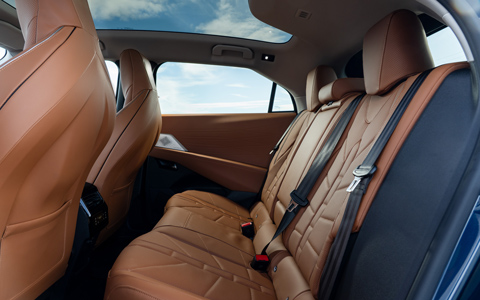
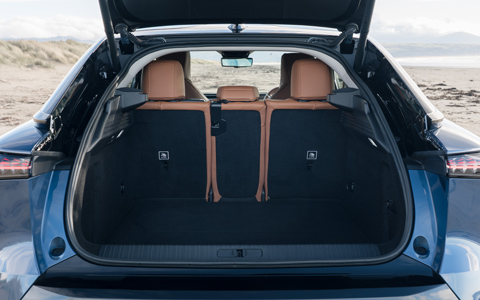
In terms of practicality, however, the No.8 is less impressive. Rear legroom and headroom are only average for the class, which may be a concern for taller passengers. Boot space stands at a respectable 620 litres, which is competitive for the class, but not exceptional, meaning it doesn’t quite lead the segment in everyday usability.
Verdict
The DS No.8 represents one of the most convincing attempts yet to establish DS as a credible premium EV brand. It successfully combines striking design with genuine efficiency gains, while delivering a driving experience that prioritises comfort and refinement above all else.
However, it faces stiff competition from more established premium manufacturers, and factors such as brand perception and resale values may give some buyers pause for thought. While it is refreshingly different, that alone may not be enough to sway those who would typically gravitate towards German alternatives.
For buyers willing to take a chance on something less conventional though, the DS No.8 offers a distinctive and highly comfortable alternative that excels at making long-distance electric driving feel effortless.
Check out our video review here.

Key Specs
DS No.8 2025
Price (RRP OTR): From £50,790
Top speed: 118 mph
0–62mph: 6.5 seconds
Power: 241–329 bhp
Torque: up to 369 lb-ft
Driving range (combined): 326–466 miles
Charging time: 8–10 hrs (11kW, 0–100%), 30 mins (160kW, 10–80%)
Insurance group: 37–43
Vehicle warranty: 3 years / 60,000 miles
Battery warranty: 8 years / 100,000 miles

1024px.jpg)



Comments (0)
Be the first to write a comment
Login/ Signup