
Reviews 6 min read
BYD Sealion 7 review: Impressive on paper, but does it deliver on the road?
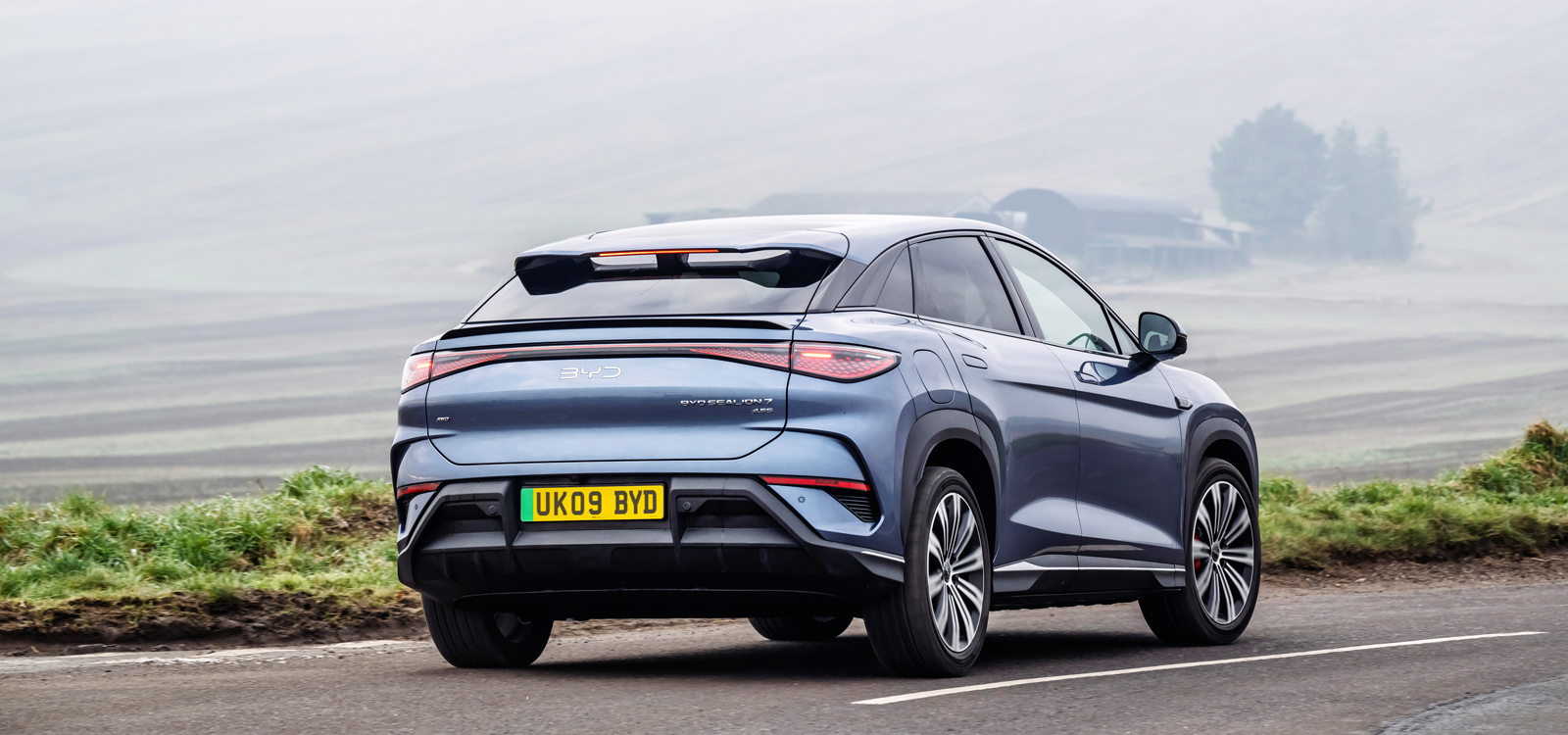
The BYD Sealion 7 arrives with big ambitions, but while it shines on the spec sheet, does it have the polish to compete with the very best electric SUVs? We spent a week with the all-wheel-drive Design model to find out.
Discover EV expert verdict...


3.5 / 5
- Spacious, premium-feeling interior with excellent standard equipment
- Strong performance and impressive Blade Battery technology
- Competitive pricing compared with established rivals
- Poor ride quality on UK roads
- Overly intrusive driver assistance systems
- Lifeless steering and lacking driving engagement
Overview
BYD has enjoyed a meteoric rise in the UK. In fact, the manufacturer recently became Britain's best-selling electric vehicle brand, demonstrating just how quickly Chinese brands are closing the gap on Europe's established players.
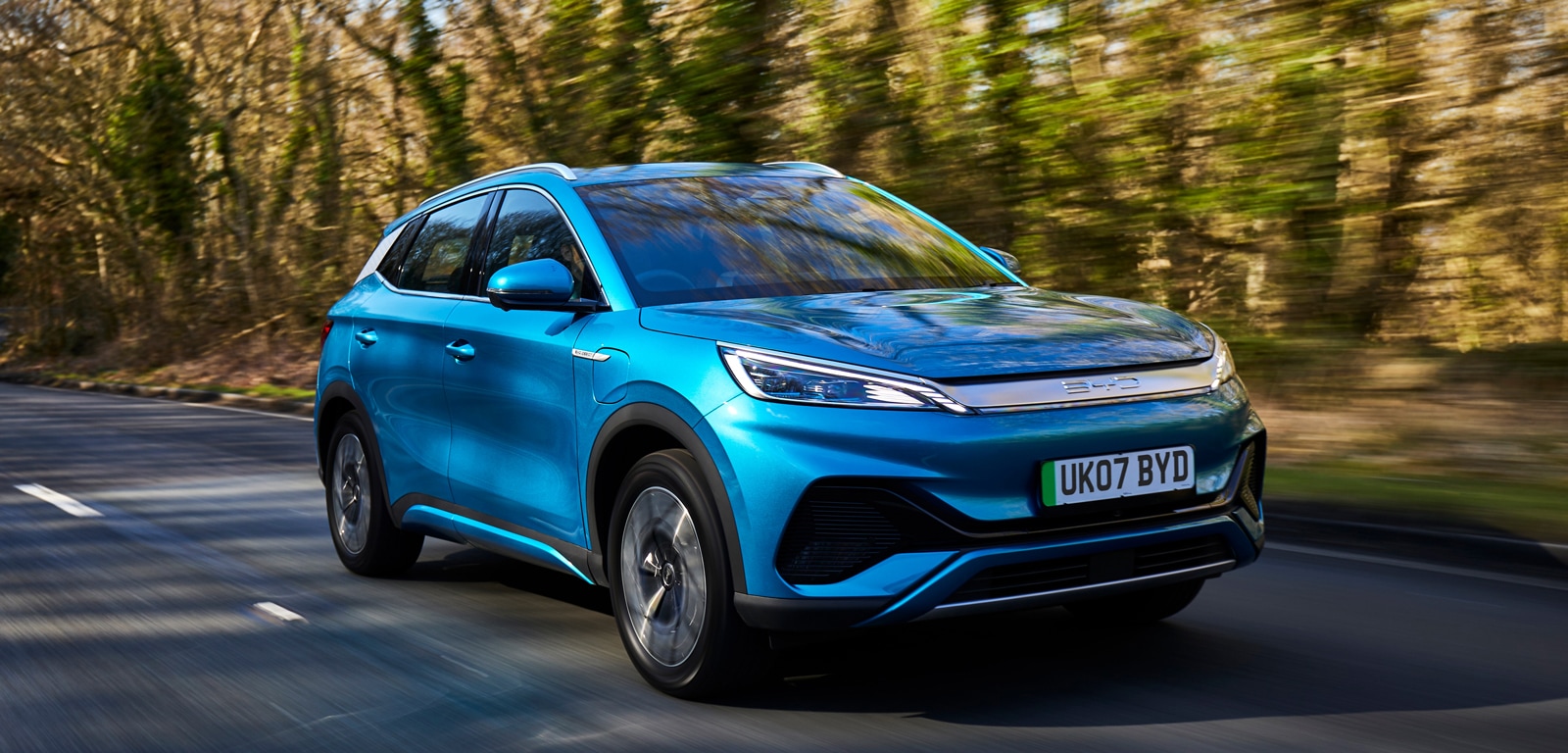
The Sealion 7 is the latest addition to BYD's Ocean Series range. Despite the slightly odd name – it certainly isn't amphibious, nor does it offer seven seats – it sits as one of the company's flagship electric SUVs, taking on the likes of the Tesla Model Y, Kia EV6, Hyundai Ioniq 5 and Polestar 4.
Pricing starts at £48,025, with three versions available. The entry-level Comfort uses an 82.5kWh battery and a rear-mounted motor producing enough power for a claimed 300 miles of range and a 0-62mph time of 6.7 seconds. Above that sits the all-wheel-drive Design tested here, while the flagship Excellence combines dual motors with a larger 91.3kWh battery, extending the claimed range to 314 miles.
Our Design model produces 390kW (523bhp) and 509 lbs-ft of torque, launching from 0-62mph in just 4.5 seconds. Underneath, the Sealion 7 is built on BYD's dedicated e-Platform 3.0 architecture and uses the company's innovative Blade Battery technology. Rather than housing battery cells within modules, they're integrated directly into the pack to maximise space efficiency, while BYD's Cell-to-Body construction incorporates the battery into the vehicle's structure to improve rigidity.

Driving
Unfortunately, this is where the Sealion 7 falls short of its impressive specification. The biggest disappointment is the ride quality. On Britain's broken roads the suspension simply struggles to cope, feeling unsettled over potholes and uneven surfaces. The combination of relatively soft springs and firm dampers results in excessive vertical movement, while the Frequency Variable Damping system does little to improve matters despite promising a more compliant ride. Our Design model rides on 20-inch alloy wheels, which undoubtedly contribute to the problem.
Refinement is another weak point. Wind and tyre noise become noticeable at motorway speeds, while deep suspension thumps frequently make their way into the cabin. The steering is equally uninspiring. It's extremely light and offers very little feedback, even in Sport mode, making the Sealion 7 feel disconnected from the road. Although the brake pedal initially feels artificial, braking performance itself is reassuringly strong once you become accustomed to it. BYD's Intelligent Torque Adaption Control (iTAC) system helps maximise traction on all-wheel-drive versions, but it does little to disguise the car's unsettled chassis.
The biggest frustration, however, is the sheer number of electronic interruptions. From the guitar riff played every time you start the car to the constant beeps, warnings and the over-eager voice assistant, the Sealion 7 can become exhausting to live with. The driver monitoring system frequently mistakes normal facial movements for fatigue, while the lane assistance and adaptive cruise control systems can behave unpredictably on poorly marked roads.

Range and running costs
BYD's Blade Battery remains one of the Sealion 7's strongest selling points. Using lithium iron phosphate (LFP) chemistry, it offers excellent durability and thermal stability while allowing efficient packaging within the car.
The Design model tested here combines an 82.5kWh battery with a claimed WLTP range of up to 285 miles, while the rear-wheel-drive Comfort stretches that to 300 miles. The flagship Excellence increases battery capacity to 91.3kWh for a claimed 314 miles.
Charging performance is competitive. Every model supports 11kW three-phase AC charging, while DC rapid charging peaks at 150kW for the Comfort and Design, enabling a 10-80% charge in around 32 minutes. The Excellence benefits from faster 230kW charging, reducing that time to approximately 24 minutes. Although several rivals now charge faster, BYD's charging performance remains perfectly respectable for everyday use.

Design
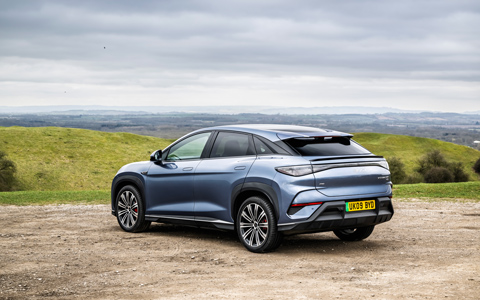
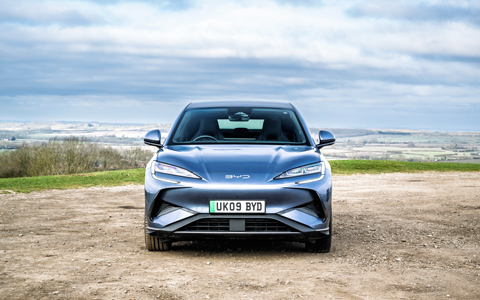
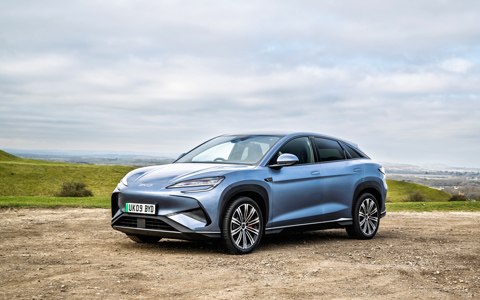
Penned by former Alfa Romeo designer Wolfgang Egger, the Sealion 7 shares much of its styling with the BYD Seal saloon. Its SUV-coupé profile, flush door handles, full-width rear light bar and BYD's 'X Face' front-end design create a clean, contemporary appearance. While it isn't the most exciting design in the class, it is pleasing on the eye. More importantly, it feels noticeably more European than many earlier Chinese EVs.
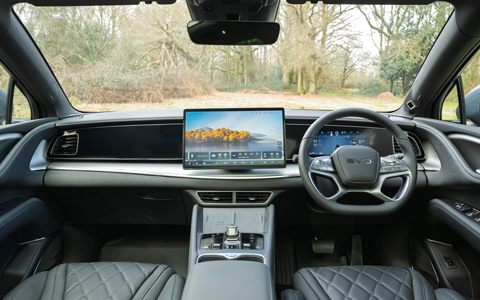
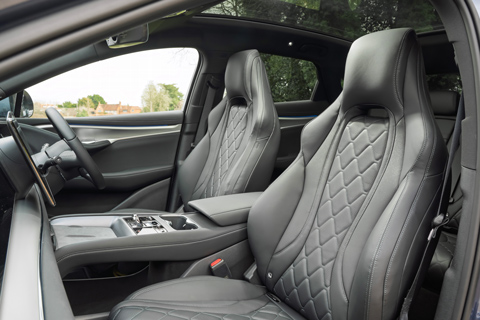
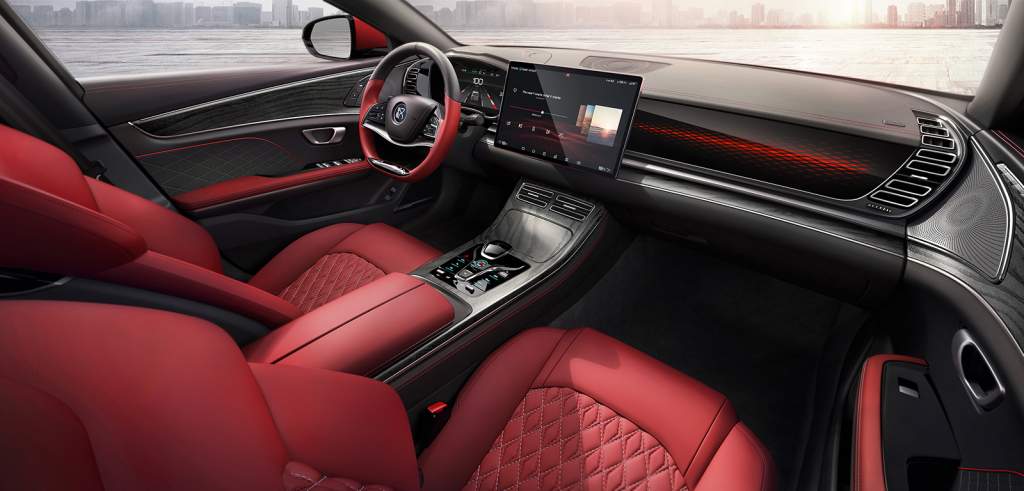
Inside, however, the cabin is considerably more impressive. Material quality is excellent throughout, with soft-touch surfaces, supportive seats and an upmarket ambience that rivals significantly more expensive cars.
The centrepiece is BYD's trademark 15.6-inch rotating touchscreen, which can switch between portrait and landscape orientation. The latest software introduces a helpful 3D vehicle interface that makes many functions easier to locate than scrolling through conventional menus.
Apple CarPlay and Android Auto integration has also improved significantly, while BYD's voice assistant now controls everything from climate settings to windows and navigation. Just don't be surprised if your passengers discover how much fun it is issuing voice commands. A 12-speaker Dynaudio audio system also comes as standard and delivers impressive sound quality.
Comfort and practicality
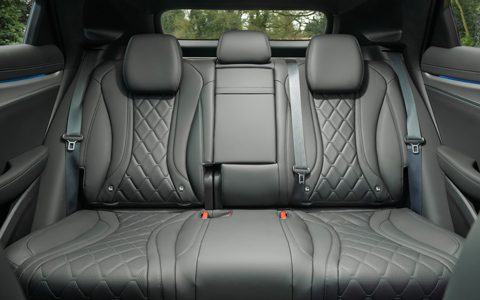
If outright space is your priority, the Sealion 7 delivers. There's generous room for five adults, comfortable front seats with heating and ventilation as standard, electrically adjustable seating with lumbar support and over 20 storage compartments throughout the cabin.
The driver's seat offers excellent adjustment, while the steering wheel adjusts both for reach and rake, making it easy to find a comfortable driving position.
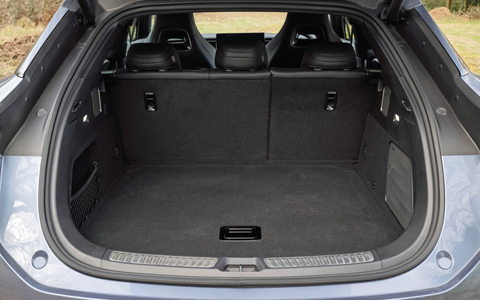
Boot space is competitive at 520 litres, supplemented by a useful 58-litre front boot. Equipment levels are exceptionally generous too. Every Sealion 7 includes adaptive cruise control, a 360-degree camera, front and rear parking sensors, blind spot monitoring, automatic emergency braking, cross-traffic alert, lane centering, traffic sign recognition and a comprehensive suite of other driver assistance features.
Ironically, while the equipment list is hugely impressive, it's also these systems that detract most from the driving experience due to their intrusive calibration.
Verdict
The BYD Sealion 7 is a frustrating car because it gets so much right. Its hardware is genuinely impressive. The Blade Battery technology is excellent, the cabin feels properly premium, standard equipment is among the best in class and performance is seriously quick. Add competitive pricing into the mix and it represents strong value against many European rivals.
However, living with it reveals shortcomings that the specification sheet simply can't show. The ride never settles on British roads, the steering lacks confidence, and the constant electronic interventions make every journey feel more stressful than it needs to be. It feels like BYD has mastered the engineering fundamentals but still has work to do when it comes to chassis tuning, software calibration and overall refinement.
For buyers prioritising interior space, technology, straight-line performance and value, the Sealion 7 remains a compelling option. But if driving confidence, comfort and polish matter most, the Tesla Model Y, Kia EV6, Hyundai Ioniq 5 and Polestar 4 still set the benchmark.
The Sealion 7 isn't a bad electric SUV. Quite the opposite. It demonstrates just how rapidly BYD is progressing. It just feels like it needed one more round of development before becoming a class leader.

Key Specs
BYD Sealion 7
Price (RRP OTR): From £47,025–£59,025
Top speed: 133mph
0–62mph: 4.5–6.7 seconds
Power: 230–390kW (313–530bhp)
Torque: 280–509lb-ft
Driving range (combined): Up to 300–312 miles (WLTP)
Charging time: 9–10 hrs (11kW, 0–100%), 24 min (150–230kW, 10–80%)
Insurance group: 48–50
Vehicle warranty: 6 years / 93,750 miles
Battery warranty: 8 years / 125,000 miles




Comments (0)
Be the first to write a comment
Login/ Signup