
Feature 6 min read
Geely Starray EM-i review: Is this the best value plug-in hybrid SUV in 2026?
With EV adoption slowing and plug-in hybrids enjoying a resurgence, Geely believes its new Starray EM-i offers the perfect middle ground. Offering up to 84 miles of electric driving, rapid charging and impressive value for money, can this family SUV tempt buyers away from established rivals?
Plug-in hybrids are making a comeback
When I founded Discover EV in 2019, my aim was to help motorists understand the benefits, cost savings and real-world capabilities of low-emission vehicles. Back then, that meant covering plug-in hybrids as much as battery electric vehicles simply because there weren't many EVs on sale. Today, the market is flooded with electric choices, so our focus has naturally shifted towards BEVs.
However, with uncertainty surrounding the EV market and road pricing set to arrive in 2028, plug-in hybrids are enjoying something of a renaissance. Modern PHEVs now offer well over 50 miles of electric driving, making them ideal for daily commutes, school runs and shopping trips while retaining the reassurance of a petrol engine for longer journeys. As long as you can regularly charge at home or work, they genuinely offer the best of both worlds.
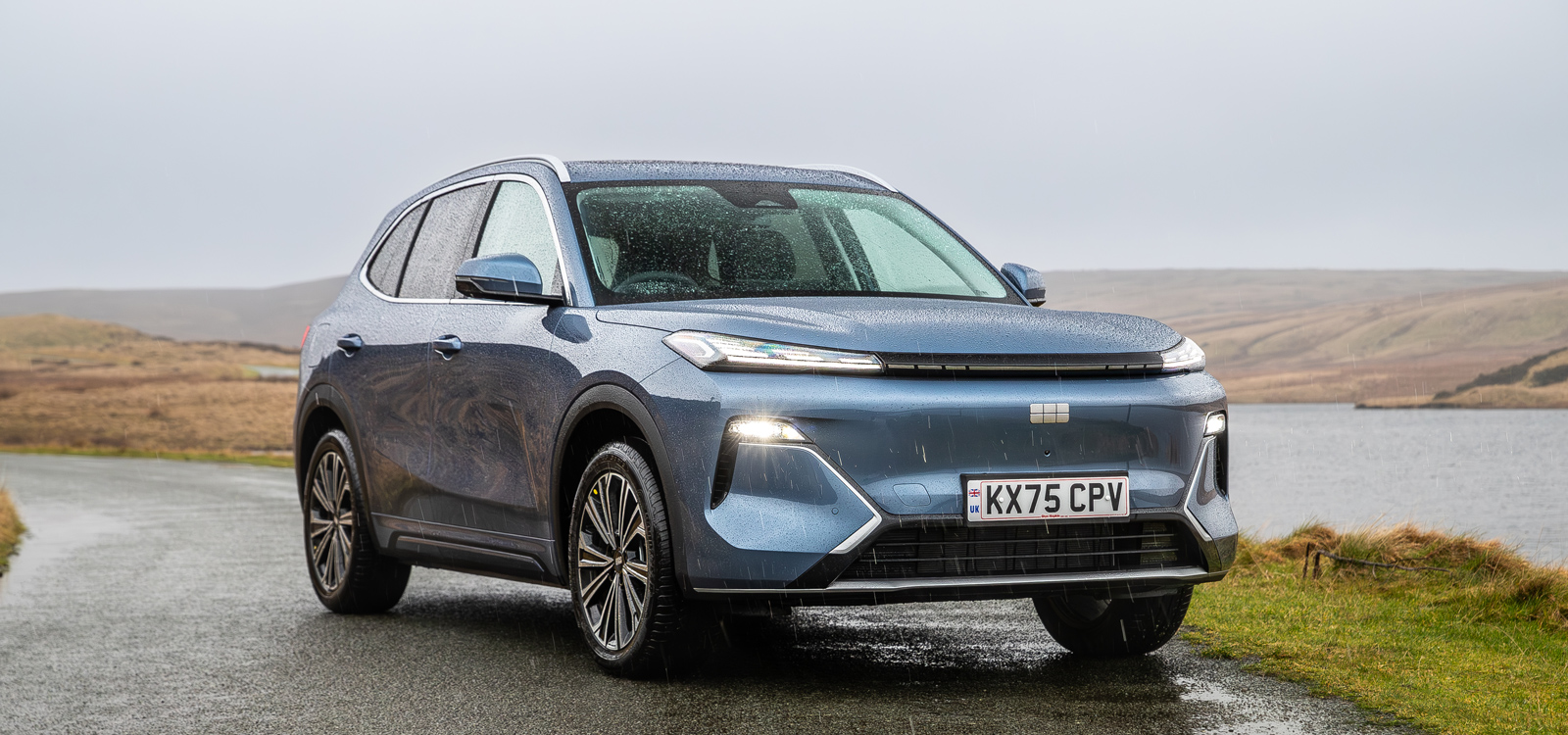
One of the newest contenders is the Geely Starray EM-i, priced from £29,990, with our mid-spec Max test car costing £32,690.
Hybrid, plug-in hybrid or EV – what's the difference?
For buyers still trying to understand the different types of electrified vehicles, here's a quick refresher.
Hybrid Electric Vehicle (HEV)
A conventional hybrid combines a petrol engine with a small battery and electric motor. The battery is charged through regenerative braking, with the electric motor assisting the engine to improve efficiency. There's no need to plug it in.
Plug-in Hybrid (PHEV)
A PHEV uses a much larger battery that can be charged from the mains, allowing meaningful electric-only driving before the petrol engine is required. They're typically more expensive than self-charging hybrids but can deliver significantly lower running costs if charged regularly.
Battery Electric Vehicle (BEV)
A BEV relies entirely on electricity, producing zero tailpipe emissions while offering quiet operation, instant performance and low servicing costs.
For motorists covering relatively short daily distances and with access to home charging, a PHEV can be an excellent stepping stone before going fully electric.

Why the Starray EM-i stands out
The Starray EM-i is Geely's second UK model and targets the increasingly competitive family SUV market.
Built on the same GEA architecture as the impressive Geely EX5, buyers can choose between two lithium iron phosphate (LFP) battery packs:
- 18.4kWh battery with up to 51 miles of EV range
- 29.8kWh battery offering up to 84 miles of electric driving
Charging performance is equally impressive for a plug-in hybrid. The smaller battery accepts up to 30kW DC charging, while the larger pack can charge at up to 60kW, allowing rapid top-ups in as little as 16 minutes. Home charging via a 7kW wallbox takes between three and 4.6 hours depending on battery size.
The vehicle also supports scheduled charging, remote pre-conditioning and even vehicle-to-load (V2L) functionality, allowing owners to power appliances or even recharge another electrified vehicle.

Performance and driving impressions
Power comes from a 1.5-litre petrol engine working alongside a 214bhp electric motor through Geely's dedicated hybrid transmission. Combined output stands at 258bhp, enough for 0-62mph in eight seconds.
Around town, it's exceptionally smooth. The electric motor does most of the work at lower speeds, making it quiet and refined in everyday traffic. Unfortunately, things become less convincing when you ask for more performance. Throttle response feels hesitant, and once the petrol engine joins the party it becomes noticeably noisy and unrefined.
Driver assistance systems need refining
One area that still needs work is the driver assistance technology. Lane-keeping assistance and several of the safety systems are simply too intrusive, occasionally intervening unnecessarily, while the driver monitoring system has a habit of constantly reminding you it's there. You'll probably spend your first few days turning many of these systems down or off.
Ride comfort is generally excellent, helped by suspension tuned by Lotus specifically for European roads. It absorbs rough surfaces well, but the soft setup means the Starray feels rather floaty at motorway speeds and leans considerably through bends. There's also very little steering feedback, so enthusiastic drivers will likely be left wanting more.

Conservative styling, impressive interior
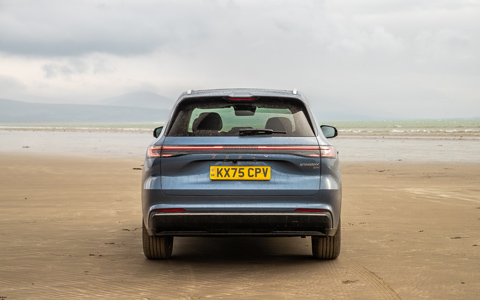
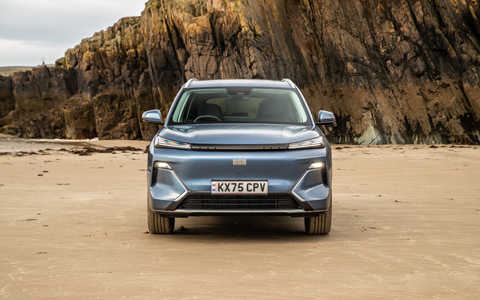
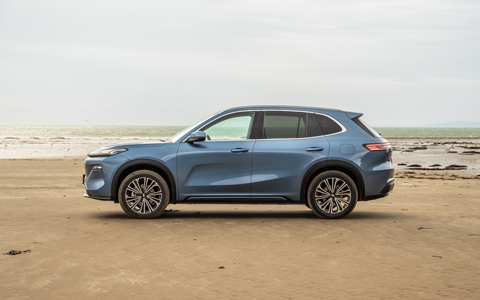
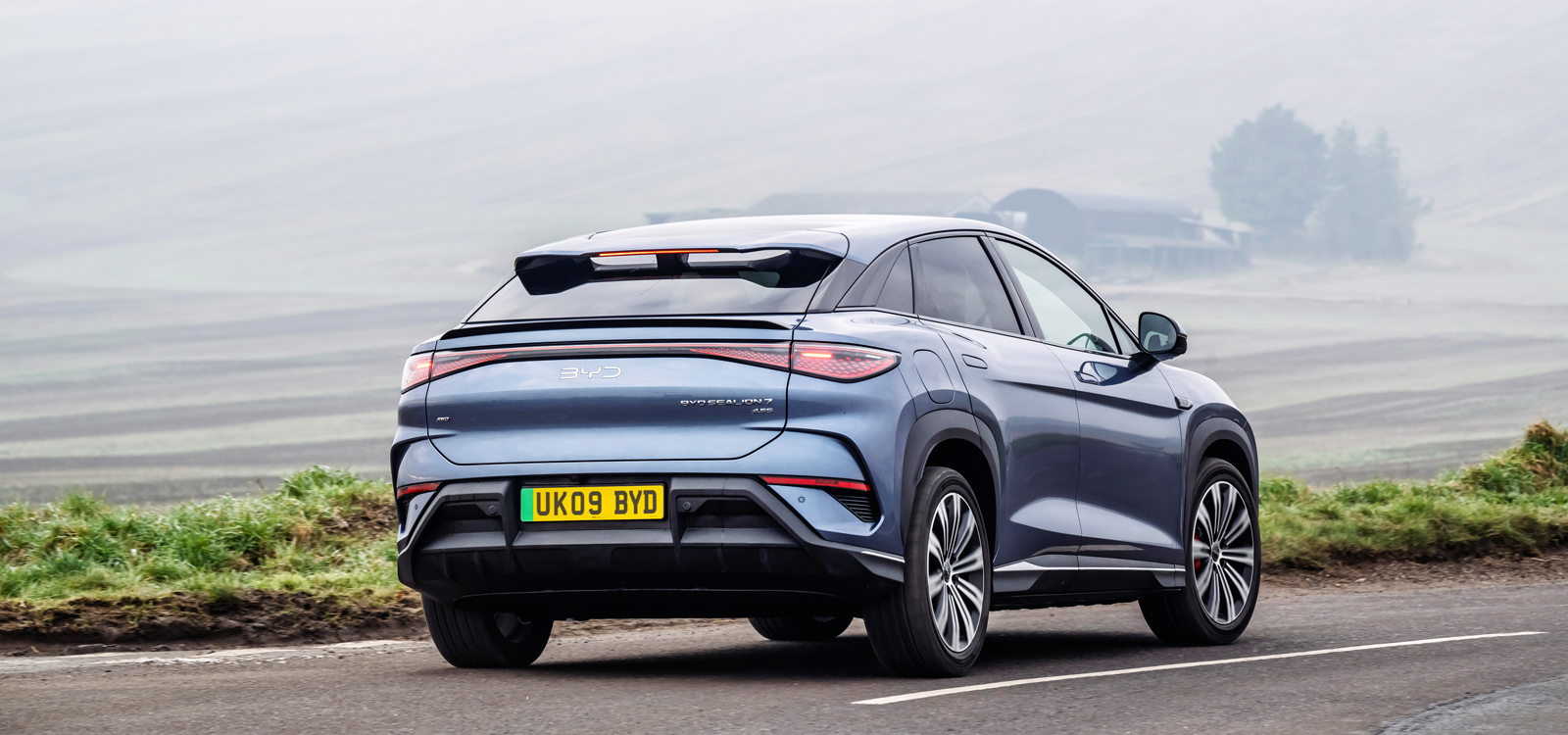
If there's one word to describe the exterior, it's anonymous. The Starray follows the now familiar SUV template with slim LED lights, flush bodywork and a full-width rear light bar. It's unlikely to turn heads, although that may actually appeal to family buyers wanting something understated.
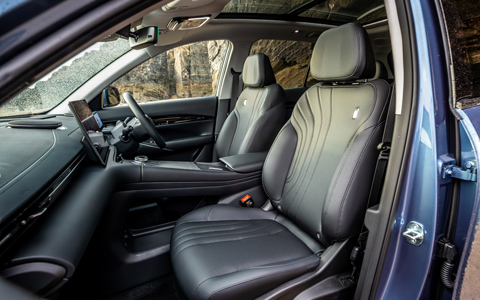
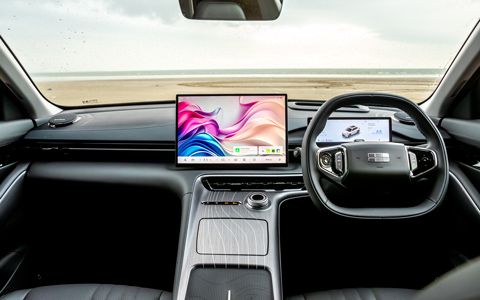
Inside is where the Starray really impresses. Equipment levels are generous, with heated electric seats, a 15.4-inch infotainment display, panoramic roof, premium audio system, head-up display and excellent space for five adults. The 528-litre boot and more than 30 storage compartments make it particularly practical for family life.
Material quality is also better than the price suggests. There are a few harder plastics lower down, but overall it feels well assembled.
The AI-powered voice assistant works brilliantly, which is just as well because almost every function is controlled through the touchscreen. Thankfully, the infotainment system itself is slick and easy to navigate once you've spent a little time learning where everything lives.
Is it good value?
Starting below £30,000, the Starray EM-i significantly undercuts many established plug-in hybrid rivals while offering one of the longest electric ranges currently available.
Geely is targeting buyers considering the likes of MG, BYD and Chery, and if your priorities are value, equipment, efficiency and electric driving range, it's difficult to ignore.
The company's attractive finance offers and eight-year warranty also help build confidence, although Geely's ownership of brands including Polestar, Smart, Lotus, Zeekr and LEVC demonstrates this is far from an unknown manufacturer.

Things to consider before buying
My biggest reservation isn't actually the car itself. It's Geely's relatively limited UK dealer network, servicing infrastructure and the uncertainty surrounding long-term residual values.
Business users are likely to be less concerned, especially as the larger battery version qualifies for just six per cent Benefit-in-Kind tax thanks to its low CO₂ emissions.
Retail buyers should think carefully about how they'll use the car. If you can charge cheaply at home or work, the Starray makes a compelling case. If you can't, the petrol engine ends up carrying around a heavy battery, reducing fuel economy and increasing running costs compared with a conventional petrol or diesel SUV.
It's also worth remembering that plug-in hybrids generally cost more to service and maintain than fully electric cars due to their additional mechanical complexity.
Verdict
The Geely Starray EM-i isn't trying to be a driver's SUV, nor is it attempting to redefine the plug-in hybrid market.
Instead, it focuses on what matters to many family buyers: exceptional value, generous equipment, impressive electric range and everyday usability.
Its dynamics won't excite, the styling won't start conversations, and some of the driver assistance systems need refining. But if you're not quite ready to make the leap to a fully electric vehicle, few plug-in hybrids currently offer as much for the money. For many buyers, it could prove to be one of the smartest PHEV purchases of 2026.




Comments (0)
Be the first to write a comment
Login/ Signup